ESAF Arogyamitra

Overview

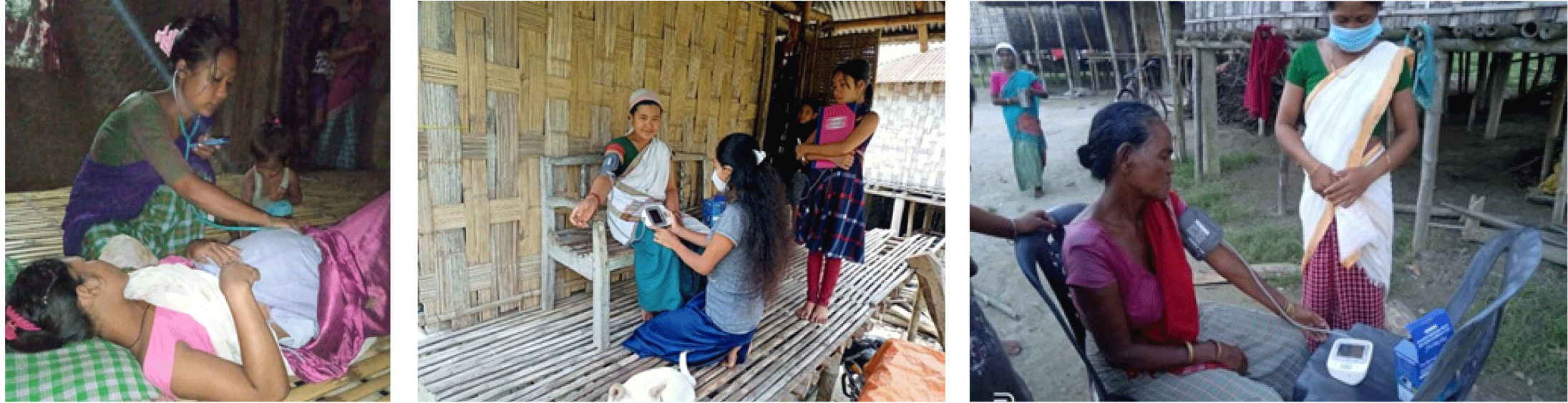
ESAF’s Arogyamitra project is an initiative towards the holistic development of women and their families. Arogyamitras (community health workers) are trained to deliver awareness on healthy habits to prevent non communicable diseases such as hypertension, diabetes, cancer, etc. They are also trained to record blood pressure and blood sugar levels. Armed with a health kit they can visit households to conduct health checkups and earn an income out of it. The project focuses on:

Addressing personal hygiene, proper handwashing and sanitation.

Nutrition needs of pregnant ladies, infants and children.

Malnutrition and anaemia in women and children.

Project Objectives

To improve the primary & preventive healthcare needs related to hygiene, nutrition, communicable / non- communicable diseases, mental health, and maternal health.

To improve the promotion of basic health monitoring, early detection of diseases, health care of the elderly etc.

Activities

  • Selection and training of Arogyamitras.
  • Partnerships with relevant organisations that manufacture low- cost health products.
  • Health awareness programmes in local languages, supported by marketing collaterals.
  • Basic screening of blood pressure and blood sugar.

Impacts

20 pregnant ladies were given regular health checkups by Arogyamitras in Majuli.

A medical camp was conducted in an interior village in Assam that did not have medical facilities.

The nightingale of the tribals

The experience of Arogyamitra Nisha Kumari

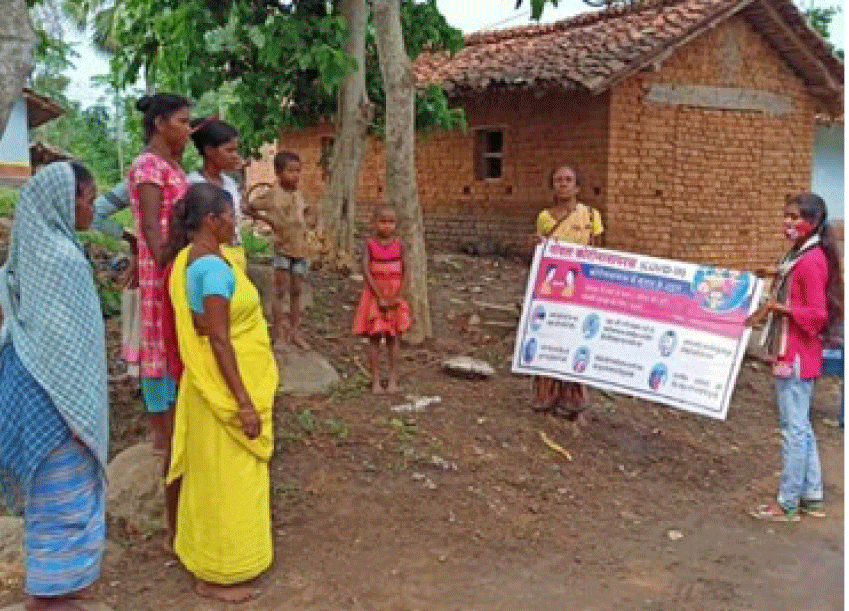
Nisha Kumari, an Arogyamitra, was a regular visitor to the Amua village in Jharkhand to spread awareness on vaccination. The villagers were reluctant to get vaccinated because of apprehensions generated from fake news. The majority of the villagers knew only the local language called Santhali and there were no materials on vaccination available in that language. Being a proactive Arogyamitra, Nisha prepared materials in Santhali and explained to the people the importance of vaccination.

She was able to convince the village headman and with his help, she made every family aware of the need to vaccinate. After a few weeks, there was a great change in people’s attitude towards vaccination. Once their doubts were cleared, the entire community agreed to get vaccinated. Thus, the continuous effort of the Arogymaitra bore fruits and changed an entire community’s attitude towards vaccination.

Hygiene habits act as a shield against health issues

The story of Tunu Doley

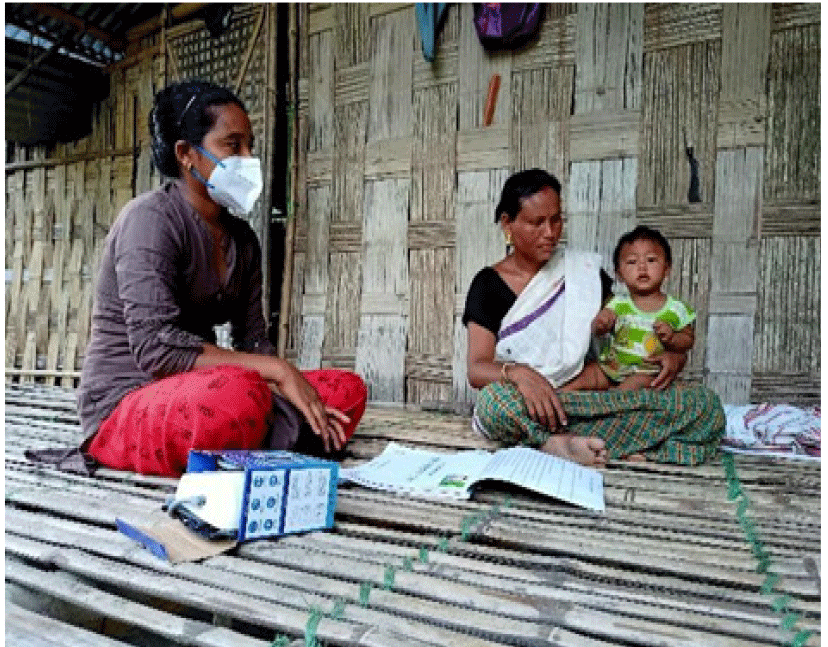
Tunu Doley is the wife of Dhiren Doley from Pekamoni village, Majuli district. They have 4 girls and a six-month-old infant boy. Tunu Doley was forced to deliver the baby at home due to the unavailability of hospital facilities in their village. Ever since his birth, the baby was suffering from skin-related health issues. The lack of proper hygiene was a major cause of concern as the family relied on hand-pump water for drinking, bathing and household chores.

It was only after the visit of an Arogyamitra that the family became aware of child care practices like feeding, cleaning, and health and hygiene of the baby. The Arogyamitra also checked the blood pressure of the mother and understood that her BP was very low. They gave her a chart of food items she had to take during the feeding period. Tunu Doley followed the Arogyamitra’s instructions word by word. The baby boy became healthier and his skin disease subdued. The family is very much thankful to the Arogyamitra for making positive changes in their life

A visual walkthrough of the project